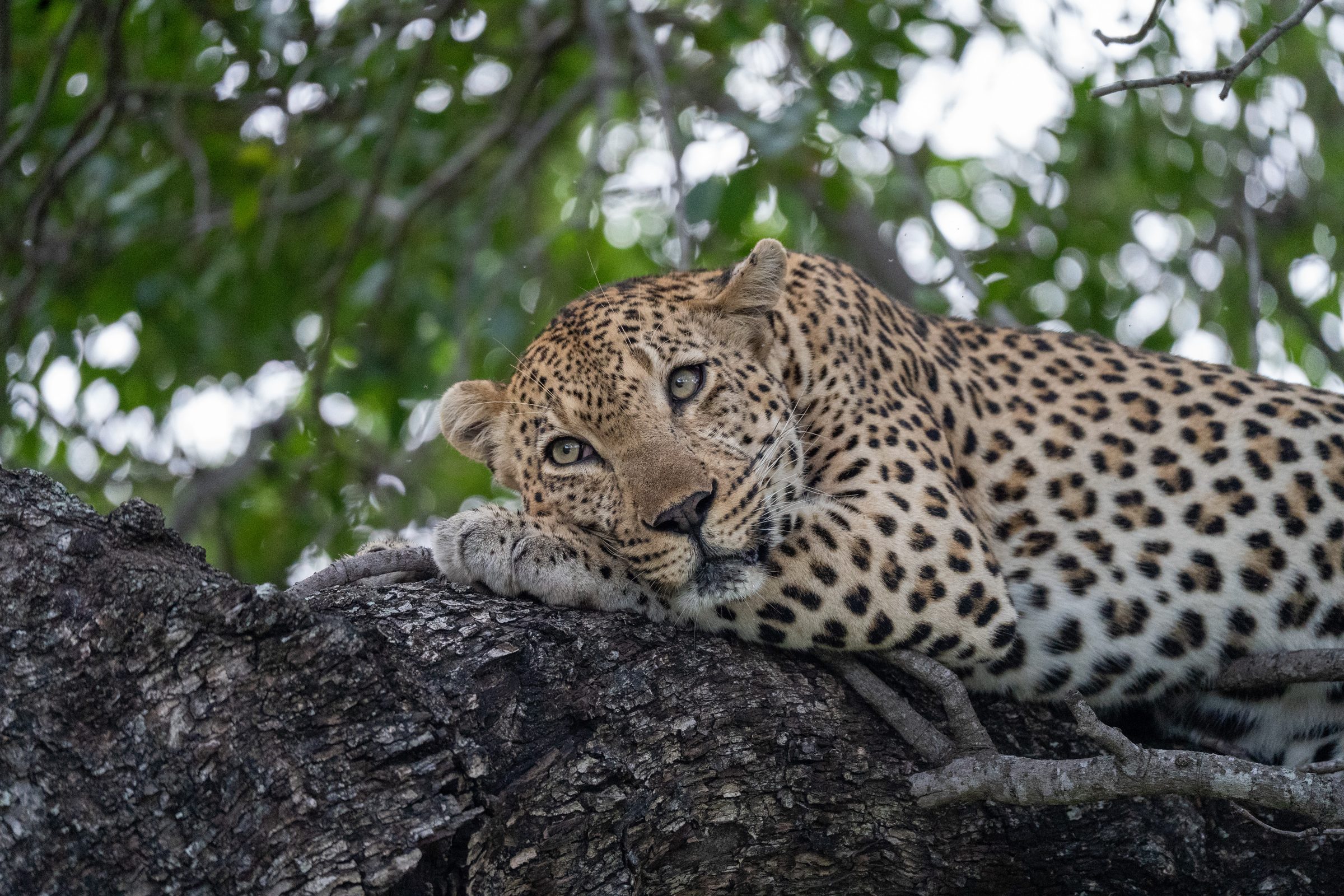
 Photo · Devon MacMillan
Photographic safaris · six guests · five a year
Wait for the light.
Small-group safaris hosted by working wildlife photographers. Two guests to a vehicle, a window for everyone, and a day built around the hour before dark rather than the lunch bell.
Why Lowlight
Most safaris are built around sightings. Ours are built around light — where the sun will be, which side of the river it falls on, and how long a leopard might sit in it. We would rather wait ninety minutes for one frame than drive past thirty animals for none.
Imogen HaleFounder & host, Mara & Lower Zambezi
Lowlight began in 2014 as a single Mara departure for six friends who were tired of being told to sit down. It is still that, five times a year. We own our vehicles, we choose our camps for their aspect and their access, and we never sell a seat that doesn't face out.
Every safari is hosted by a professional photographer and guided by the best local naturalist we know. One finds the animal. The other helps you make something of it.
Guests per departure
Per vehicle, both on the window
Safaris a year, no more
Departures in 2027
The five
Five places, each at its one best month.
-
August
Kenya · Mara North Conservancy
Mara Big Cat Season
Three prides, a coalition of five cheetah and the river crossings, photographed from a private conservancy where we may go off-road and stay out after dark.
The full brief -
June
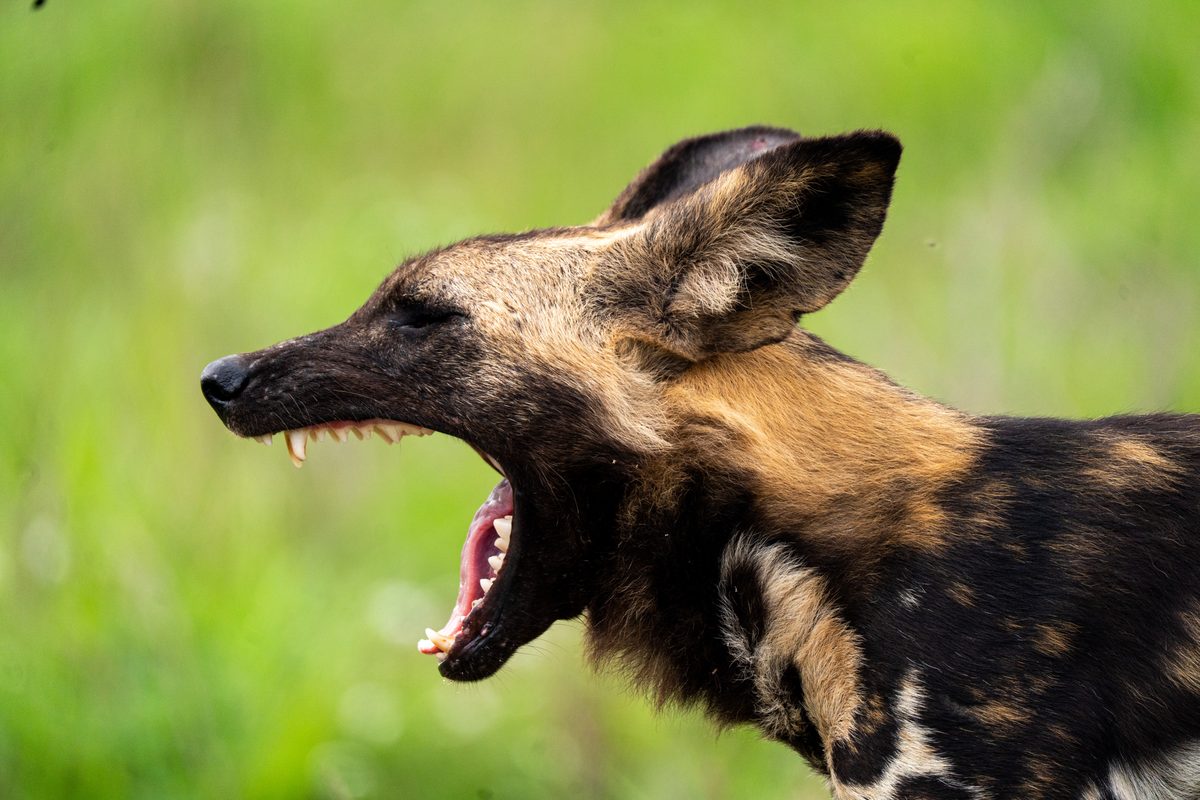
Botswana · Khwai & Moremi
Okavango Water & Wild Dog
Peak flood and denning season. Spray-lit lechwe at a run, a known wild dog den, and low-angle work from a mokoro at water level.
Read the summary -
May
South Africa · KwaZulu-Natal
Zimanga Hides
Six purpose-built hides, two of them sunken to the waterline, one lit for overnight work. The most controlled, most technical week we run.
Read the summary -
September
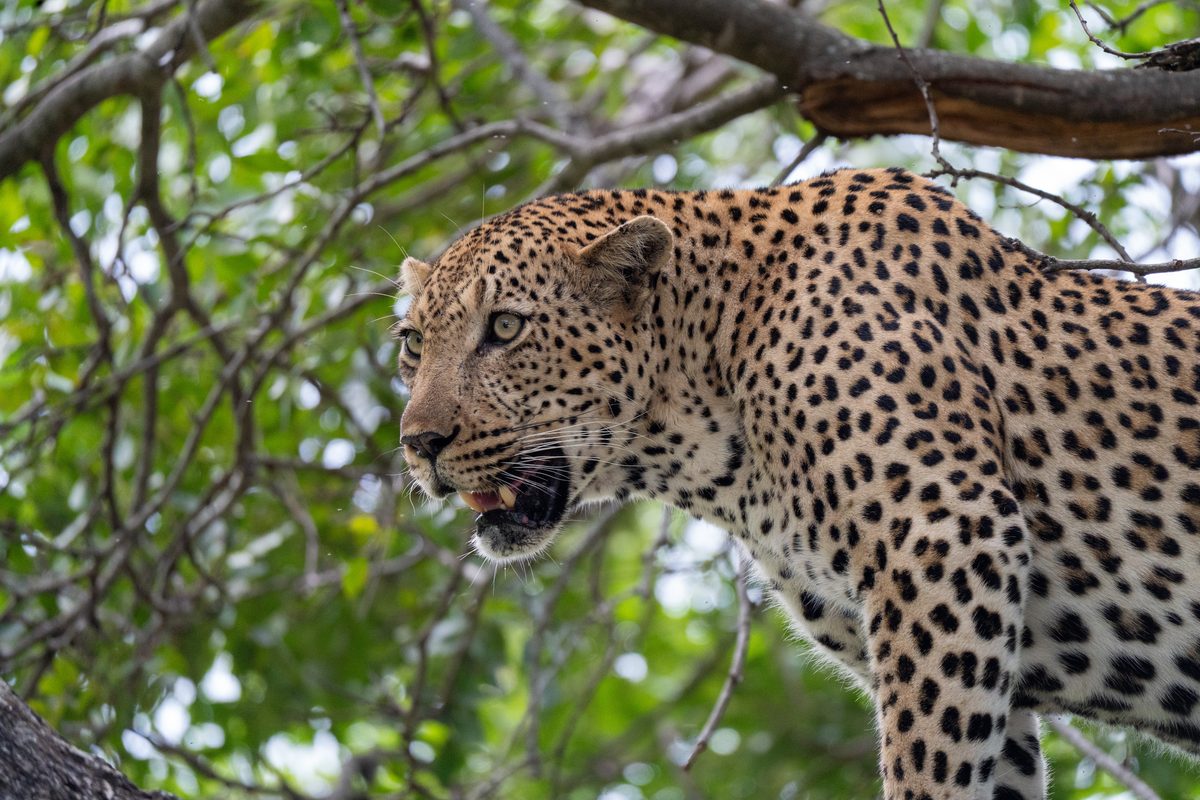
Zambia · Lower Zambezi National Park
Lower Zambezi River & Leopard
Elephants wading the channels at sunset, carmine bee-eaters on the banks, and night drives for leopard with red-filtered light we bring ourselves.
Read the summary -
February
Rwanda · Volcanoes National Park
Gorillas & Golden Monkeys
Three gorilla treks and one golden monkey trek in the short dry season, with a full day on high-ISO technique for forest light before you go up.
Read the summary


What makes it photographic
Not a safari with a camera. A shoot with a safari around it.
Five things we refuse to compromise on. Choose one to see how it works in the field.

Built for long glass, not for headcount.
Our Land Cruisers are cut down to two rows of swivel seats: one guest per side, per row. Every seat has a gimbal arm and a fitted bean bag, and the roof drops away entirely. The engine goes off the moment we stop, and stays off.
- Guests per vehicle 2
- Mounts per seat Gimbal + bag
- Charging Inverter, 4 × USB-C
- Lens rest height Adjustable

Eye level with whatever comes to drink.
Sunken hides put your lens a hand's width above the water. On Zimanga and the Okavango we book hides exclusively for our group; in the Mara we use a portable ground blind at a waterhole the hosts have watched all season.
- Sunken hides 4 safaris
- Overnight hide Zimanga
- Max per hide 3 guests
- Ports Glass-free

The schedule follows the sun, not the kitchen.
We leave camp forty minutes before sunrise and are rarely back before last light. Breakfast travels with us. The midday is for sleep, editing and the occasional pool, and when a sighting is worth it we simply stay out — dinner waits.
- Out by Sunrise −40 min
- Golden hour drives 2 a day
- Night drives Where licensed
- Fixed meal times None

Six guests. Three vehicles. No middle seat.
A full departure is six people, which means three vehicles, which means we can split up: one car on the cheetah, one waiting at the crossing, one with the leopard nobody else has found. You will shoot alongside one other guest, never behind them.
- Guests Max 6
- Vehicles 3
- Host ratio 1 : 3
- Solo supplement Waived on 1 seat

Taught in the moment, reviewed at night.
Hosts ride with each pair in rotation and talk you through settings as a sighting develops. Each evening there is a forty-minute image review on a calibrated screen, and two afternoon sessions on editing in Lightroom and Capture One.
- Image reviews Nightly
- Editing sessions 2 per safari
- Loan lenses Canon · Nikon · Sony
- Level All, honestly
The hosts
Three photographers. One frame each, to introduce them.

Imogen Hale
Eleven seasons in the Mara. Former picture editor; shoots Canon.

Daniel Mwangi
Born in Narok, trained as a guide before the camera. Shoots Nikon.

Sipho Ndlovu
Hide designer and birds-in-flight specialist from KwaZulu-Natal. Shoots Sony.
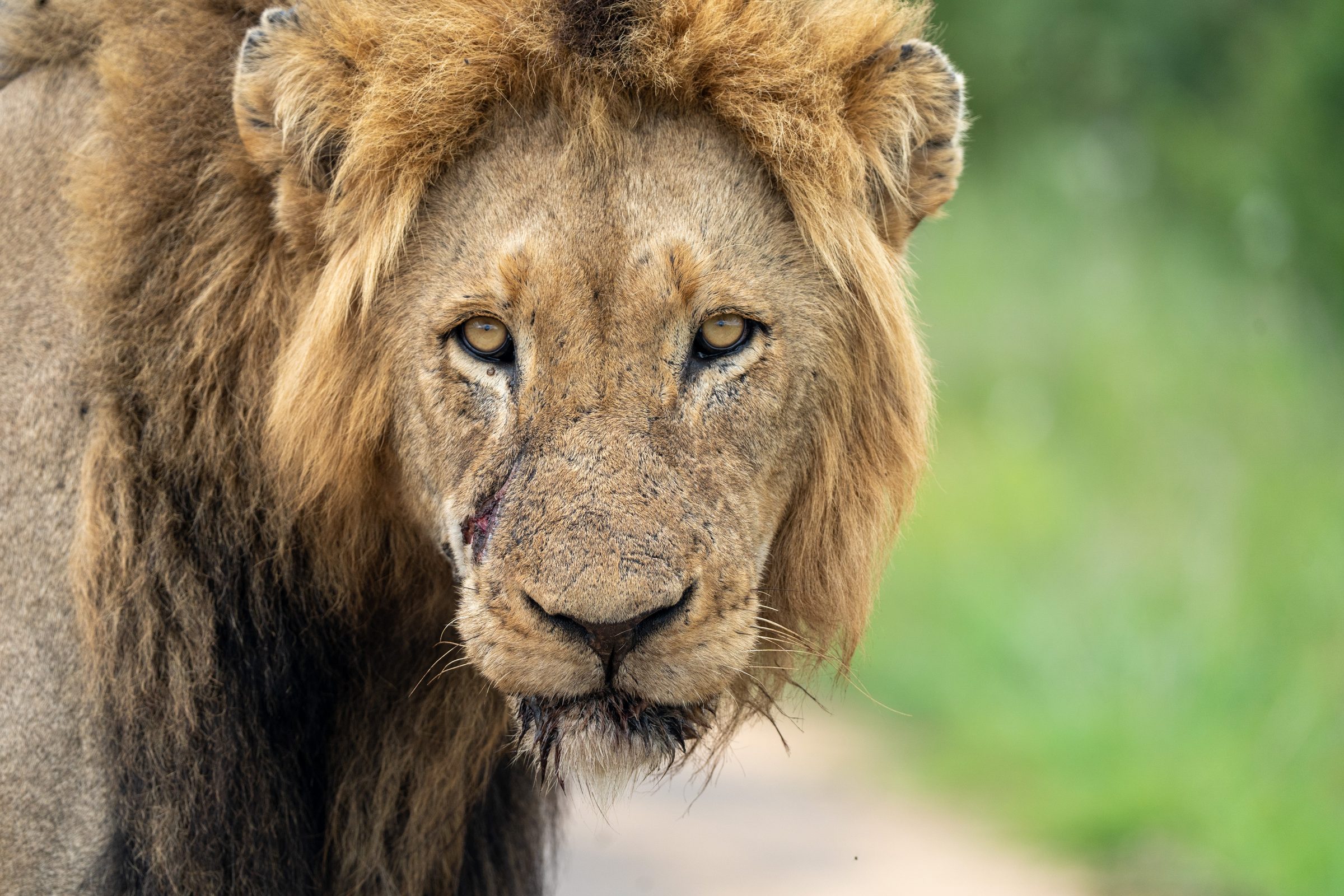
Field frame · December 2025
One look, one frame.
Made by Devon MacMillan in Kruger National Park, late afternoon, December 2025.
- Camera
- Sony α7 III
- Lens
- FE 200–600mm G OSS at 441mm
- Exposure
- f/6.3 · 1/500s · ISO 500
- Location
- Kruger National Park, South Africa
- Time
- 16:52 SAST
From the back seat
I had been on six safaris before this one and never once switched the engine off in my head. Lowlight taught me to wait. My best frame came on the fourth evening, from a sighting I would have driven away from.
Sipho built the sunken hide we sat in. He knew the angle of the sun on the water at 7.10 to the minute, and he was right.
The nightly reviews were worth the fare alone. Daniel is generous and blunt in equal measure, and my edit is better for both.
2027 departures
Eleven departures. Sixty-six seats.
Departures open eighteen months ahead and are offered first to returning guests. These are the dates still taking reservations.
All departures